
Fine Art Jobs in Saudi Arabia After Completing the Course
Fine Art Jobs in Saudi Arabia After Completing the Course
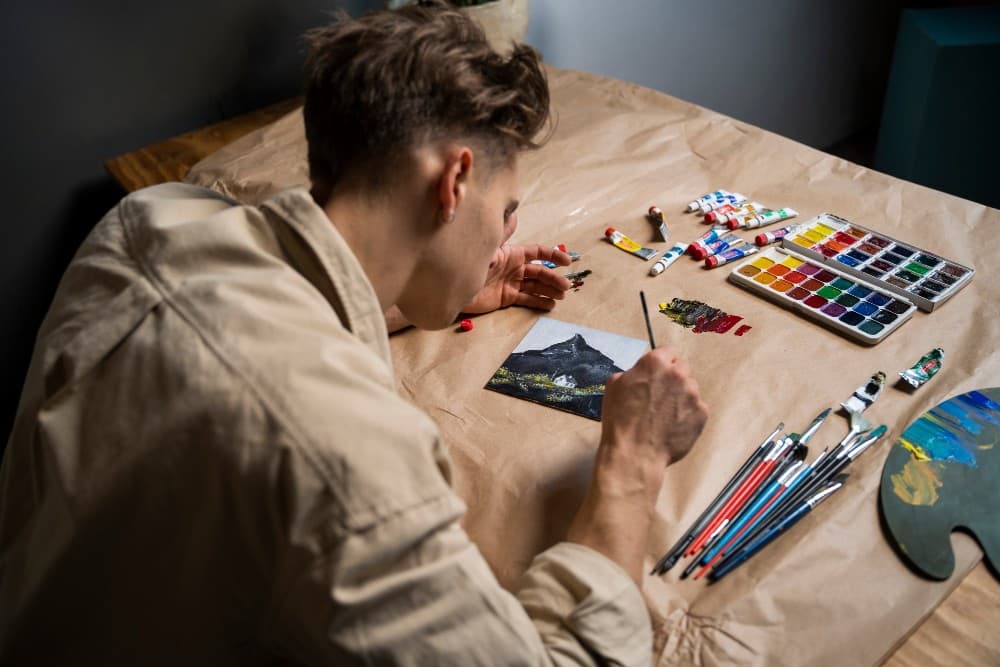
The fields of fine art in Saudi Arabia are numerous, as fine art reflects the identity of Saudi society and its civilizational development. This is one of the most important signs of the spread of artistic and intellectual creativity within the community. Social customs and popular heritage are among the most prominent factors influencing the growth of this art, which has gradually evolved and been shaped by modern and contemporary art schools over time. Fine art takes many forms, the most prominent of which are sculpture, drawing, Arabic calligraphy, and ceramics.
In our article today, we will talk about what fine art is, the skills that a fine art course provides, and the most prominent fields of fine art and job opportunities available in the Kingdom after completing one of the accredited courses.
What Is Fine Art?
Fine art refers to a number of arts that rely on transforming visual elements into works that point to a specific idea or purpose through imagery.
The fields of fine art encompass various means of creativity that depend on the visual scene.
Through fine art, the artist excels in using a number of tools such as line and color, through which they are able to create an aesthetic scene that expresses a particular idea.
The fields of fine art vary between modern works that rely on advanced techniques and popular works inspired by history and heritage, which gives the artist a wide space for expression and creativity.
Why Is Interest in Fine Art Growing in Saudi Arabia?
Saudi Arabia is going through a major cultural and artistic renaissance alongside advancement in other areas, and the reason for this is the Kingdom's Vision 2030, which aims for progress and excellence across all fields.
The Kingdom visibly supports talent, and among those talents are fine artists whose works have come to fill events, exhibitions, and competitions across Saudi Arabia.
Most fine artists are interested in expressing national identity in their works by turning to pieces inspired by Saudi nature and culture, which helps spread their work more widely.
The fields of fine art are also diverse, allowing for the expression of that cultural variety, and as a result, the future of the arts in Saudi Arabia is witnessing a broad renaissance and global reach as an indicator of this growing interest.
What Skills Does a Fine Art Course Provide?
The accredited fine art course offered by the Higher Saudi Skills Institute adds a number of essential and advanced skills.
Through the curriculum of the fine art course, you will be able to build a strong artistic foundation and develop your own style of visual expression, especially from a theoretical standpoint. Through practical training, the trainee learns:
- How to use drawing and coloring tools professionally.
- Shadow, light, and perspective techniques correctly.
- Various artistic materials and how to use them in creative works.
- Developing artistic imagination and aesthetic sensibility.
- Analyzing artworks and understanding global art schools and their styles.
Where Can a Fine Art Course Graduate Work?
After completing their study of the fine art, a course graduate can work in many areas related to design, creativity, art, and education, depending on their individual abilities and artistic skills.
A fine artist can also work independently by displaying their work at exhibitions or working in the field of design and decor for various events and organizations.
Some artists also move toward designing and selling paintings and artworks to online stores or even exhibitions.
Among the most important places where one can work are also:
- Museums.
- Cultural centers.
- Art workshops.
Job Opportunities in the Artistic Field and Exhibitions
Working in the artistic field and exhibitions is a good opportunity available to fine artists and those interested in visual creativity, enabling them to showcase their works and artistic talent.
Through these venues, the artist can communicate well with the public and build a wide following, as the fields of fine art and job opportunities are varied. The following are the most prominent job opportunities available:
Fine Art Jobs in Education and Technical Training
One of the fields available to a fine artist is education and technical training, where work is possible in schools, institutes, and cultural centers as available workplaces.
It is also possible to work in teaching hobbyists and children in order to develop their creative skills and nurture talented artists.
Selling Artworks and Participating in Exhibitions
Exhibitions are one of the important outlets for a fine artist through which they can display their works and introduce the public to their unique style and artistic skills.
Exhibitions are considered an important outlet for the graduate, enabling them to sell their paintings and handmade works, which helps them achieve financial profits and build an important source of income.
Fine Art and Creative Projects
The fields of fine art are many, and this allows the artist the possibility of working on more than one creative project, the most prominent of which are:
- Decor.
- Mural design.
- Ornamentation.
The artist can also work independently or collectively with a team to execute various projects that are a blend of innovation and beauty.
Can Artistic Talent Be Turned Into a Career?
Absolutely, artistic talent can be turned into a steady source of income, provided that one works on developing it through learning and keeping up with everything new.
In general, relying on talent alone is not enough, as talent needs training to refine it and turn it into a successful professional path in an organized manner, away from randomness.
In light of the widespread growth of the arts recently, job opportunities have become more available, where one can work in:
- Design.
- Drawing.
- Teaching.
- Exhibitions.
- Freelance work.
The Importance of Building an Artistic Portfolio
Working in the fields of fine art requires building a strong artistic portfolio so that the artist can present themselves professionally to followers and be able to earn money from their work.
The artist relies on showcasing their work by compiling a number of distinguished samples that clearly demonstrate their skills and unique style to everyone, in order to submit them to various competitions and exhibitions.
Through this portfolio, the artist presents everything related to their works, including the materials used and the approach followed.
It is preferable for the works to be varied so that the portfolio reflects their artistic experience.
How Do You Develop Your Artistic Style After the Course?
The artist can develop their artistic style after the course by committing to certain practices that help them avoid mistakes. Among the most prominent methods of artistic development are:
- Continuous experimentation and working on many projects, in addition to seeking other sources of development and inspiration.
- Working on experimenting with different materials and varied styles to find the most suitable use for each work.
- Benefiting from the experience of other artists by regularly attending art exhibitions and keeping up with everything new.
- Listening to criticism to identify strengths and weaknesses.
- Making sure the artist has their own distinctive style while working on developing it to reach the ideal approach.
How Does a Fine Art Course Help You Start Your Artistic Path?
A fine art course helps you take your first steps in the world of art by building a solid knowledge and practical foundation, starting from the basics such as drawing and coloring, all the way to developing your own artistic style and expressing your ideas in a creative way.
With continued training and application, the trainee becomes capable of producing complete artworks that reflect their artistic personality, which opens the door for them to participate in exhibitions or work in various creative fields.
Furthermore, learning about the fields of fine art and understanding its techniques through a specialized and accredited course can help you transition from the hobbyist stage to a more professional and confident stage in performance.
The Higher Saudi Skills Institute, through its accredited courses, is committed to providing a supportive learning environment that helps trainees develop their artistic skills and discover their own style in the world of fine art.
Register now in the accredited fine art course at the Institute in Saudi Arabia, and begin your journey to develop your talent and refine your artistic skills before seats fill up.
FAQs
What is meant by fine art?
Fine art is an art that relies on visual expression using drawing, sculpture, ceramics, and design to present ideas and feelings in a distinctive and creative style.
Do I need prior talent to study fine art?
Prior complete talent is not required, as training and practice help develop artistic skills and build the capacity for creativity and expression.
What are the most prominent fields of fine art?
The fields of fine art include drawing, sculpture, ceramics, printmaking, Arabic calligraphy, and design, and they vary according to artistic style and the materials used.
Can one work after studying fine art?
Yes, it is possible to work in art education, exhibitions, selling artworks, design, and creative projects within various cultural institutions.