
How Graphic Courses Help You Develop Practical Design Skills
How Graphic Courses Help You Develop Practical Design Skills
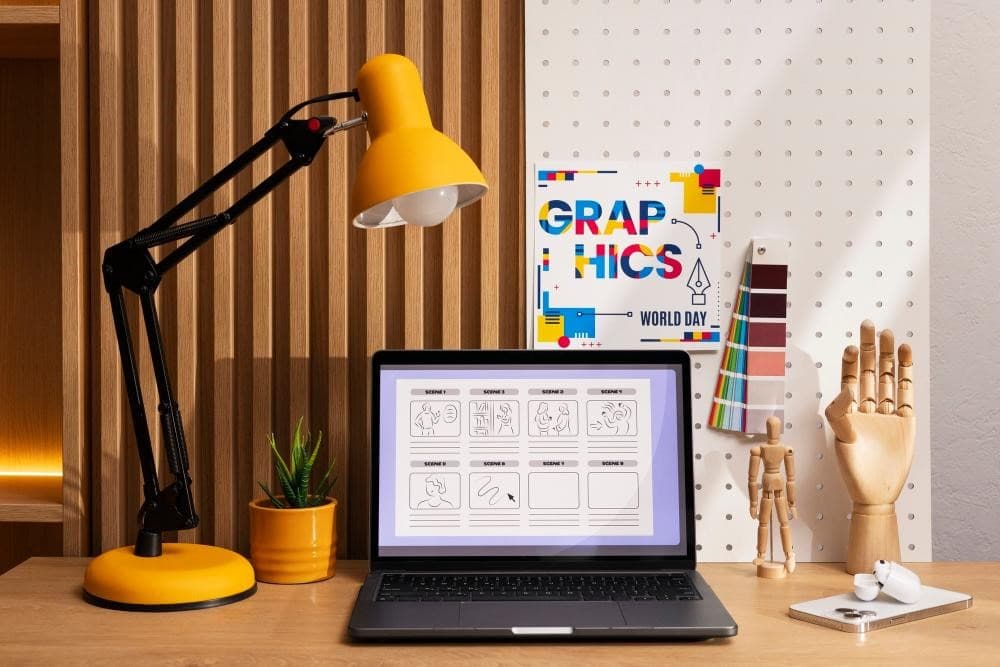
Graphic courses today are more than just an educational option; they are a practical way to build real design skills, especially as the job market increasingly relies on hands-on experience rather than theoretical knowledge alone. With the growing demand for professional designers, many people are looking for effective ways to improve their skills faster and in a more structured way. But the key question is: how can these graphic courses make a real difference in your level? And how can you get the most out of them?
In this article, we will answer these questions and explain how graphic courses can help you develop your practical skills, and why they are an important choice for anyone looking to enter the design field.
What Are Graphic Design Courses?
Graphic courses are specialized training programs designed to teach visual design skills using professional tools and software. These include logo design, advertising, visual identity, and marketing materials.
These graphic courses rely on a combination of theoretical knowledge and practical application, helping trainees gain real skills that qualify them to work in the field of graphic design.
They are an ideal option for anyone who wants to enter the field or improve their level, whether they are beginners or already have some experience.
The Higher Saudi Skills Institute is considered one of the best accredited institutions in the Kingdom for learning graphic design from scratch to a professional level.
It offers comprehensive training programs, including a short graphic design course for beginners, as well as a full graphic design diploma that focuses on building professional skills through structured and practical training that prepares you for the job market with confidence through graphic courses.
The Importance of Practical Application in Learning Graphic Design
Practical application is the core element in mastering graphic design skills because it transforms theoretical knowledge into usable, real-world abilities.
Understanding design principles or learning tools is not enough unless they are applied in real projects.
Through hands-on training in graphic courses, designers learn how to make the right design decisions, such as:
- Choosing colors.
- Organizing elements.
- Achieving visual balance.
Continuous practice in graphic courses also helps reinforce concepts more deeply and reduces mistakes over time, which accelerates the designer’s progress.
For this reason, professional graphic design programs offered by the Higher Saudi Skills Institute rely heavily on practical application.
The institute integrates hands-on training within an accredited learning environment that helps trainees work on real projects and gain direct experience that prepares them for the job market.
How Practical Projects Help Develop a Designer’s Skills
Practical projects in graphic courses play an important role in developing a designer’s skills in a gradual and structured way, as they simulate real challenges faced in the job market. They also:
- Enhance creative thinking and problem-solving skills.
- Improve proficiency in using design software.
- Develop a strong sense of visual balance and color selection.
- Help build a strong portfolio that showcases your skills.
- Give you experience in meeting different client requirements.
- Increase your confidence as a designer.
That is why the Higher Saudi Skills Institute ensures that its training programs include a variety of practical projects.
This gives trainees a real opportunity to build a strong portfolio and experience a work-like environment that strengthens their professional readiness through graphic courses.
Training in Advertising and Poster Design
Training in advertising and poster design is one of the most important practical skills in graphic design.
It teaches designers how to communicate clear and engaging messages using visual elements. This includes choosing:
- Images.
- Color.
- Fonts.
- Arranging elements in a way that captures attention and achieves marketing goals.
Through this type of training in graphic courses, trainees gain the ability to create professional advertising materials suitable for various fields, whether print or digital.
The Higher Saudi Skills Institute offers this type of training within its graphic courses, supported by practical applications that help trainees produce real designs and strengthen their hands-on experience.
Experience in Designing Visual Identity for Companies
Visual identity design is one of the most important areas of graphic design. In this training, trainees learn how to build a complete identity that reflects a brand’s personality, including:
- Logo.
- Colors.
- Fonts.
- Visual elements.
This training helps designers understand how to maintain visual consistency across different platforms, which strengthens brand presence in the market. It also develops strategic thinking and creativity in design.
The Higher Saudi Skills Institute is committed to providing practical projects in this area, allowing trainees to experience building a complete visual identity.
This gives them real-world experience that prepares them to work with companies and brands through advanced graphic courses.
Training in Social Media Content Design
Designing social media content has become one of the most essential skills in today’s job market, as companies rely heavily on digital platforms for marketing.
In this type of training, designers learn how to create engaging posts that align with the standards of each platform. This includes:
- Understanding image dimensions.
- Organizing content effectively.
- Choosing the right visual style for the target audience.
This type of training in graphic courses also helps improve execution speed and the ability to work under pressure.
Graphic design programs at the Higher Saudi Skills Institute focus on exercises and practical projects centered around social media content design.
This helps trainees gain real, applicable skills that match the needs of the digital market through well-structured graphic courses.
The Importance of Teamwork in Graphic Courses
Teamwork is a key element in graphic courses, as it simulates real work environments where designers collaborate with specialists such as marketers, content writers, and developers.
By working within a team, trainees learn how to exchange ideas, accept feedback, and develop solutions collaboratively. Teamwork also helps to:
- Improve communication skills.
- Develop the ability to understand project requirements from different perspectives.
- Enhance the quality of the final output.
- Provide opportunities to learn from peers and gain diverse experience more quickly.
The Higher Saudi Skills Institute ensures that teamwork is integrated into its training programs through collaborative projects that reflect real work environments, helping trainees develop both professional and interpersonal skills through graphic courses.
How to Build Practical Experience During Graphic Courses
Building practical experience during graphic courses requires consistent commitment to application and practice, not just following theoretical lessons. This can be achieved by:
- Continuously working on different design projects.
- Participating in design challenges and competitions.
- Applying what you learn immediately in real projects.
- Building a professional portfolio that showcases your work.
- Requesting feedback from instructors and improving your designs.
- Practicing with real or simulated clients.
How Practical Training Develops a Designer’s Skills
Practical training in graphic courses transforms theoretical knowledge into applicable skills, making the learning process more effective and long-lasting.
A designer does not just understand tools but learns how to use them in real situations to achieve professional results. This helps to:
- Improve speed and quality of work.
- Enhance decision-making in design.
- Develop visual problem-solving skills.
- Deepen mastery of tools and software.
- Build confidence through real project execution.
Overall, practical training is what distinguishes a beginner from a professional, as it provides direct experience in handling real design challenges.
That is why training programs at the Higher Saudi Skills Institute depend heavily on intensive practical application, where trainees work on real projects that prepare them directly for the job market through advanced graphic courses.
How to Start Working After Completing Graphic Courses
Transitioning into the job market after completing graphic courses requires a few practical steps to help you start with confidence. Here is how you can begin:
- Prepare a portfolio showcasing your best work.
- Apply for internships or entry-level jobs.
- Use freelance platforms to gain initial experience.
- Build a professional presence on platforms like LinkedIn.
- Continue learning and improving your skills.
- Start with small projects and communicate with clients.
The accredited programs at the Higher Saudi Skills Institute help prepare you for the job market through hands-on training, real projects, and building a strong portfolio, giving you a solid start in your career as a professional designer through structured graphic courses.
Conclusion
Practical training and continuous learning remain the true path to achieving professionalism in graphic design.
Every step you take today brings you closer to your goals and helps you build a strong and successful career path.
Start your journey with confidence today by enrolling in the professional courses and diplomas offered by the Higher Saudi Skills Institute, where you will learn graphic design from scratch through a practical and structured approach that prepares you to succeed in the job market.
FAQs
Can graphic design be learned from scratch?
Yes, it can be learned from the beginning through structured graphic courses that combine fundamentals with practical application.
How long does it take to learn graphic design?
It depends on your effort, but typically it takes several months to a year to gain solid skills through consistent practice and graphic courses.
Do I need prior experience to enter this field?
No, beginners can start from scratch as long as they commit to training and practice through suitable graphic courses.
Are graphic courses enough to enter the job market?
Yes, if they include practical training and real projects that help you build genuine experience and prepare you for professional work.