
Sustainable Urban Planning and Its Job Opportunities in Saudi Arabia
Sustainable Urban Planning and Its Job Opportunities in Saudi Arabia
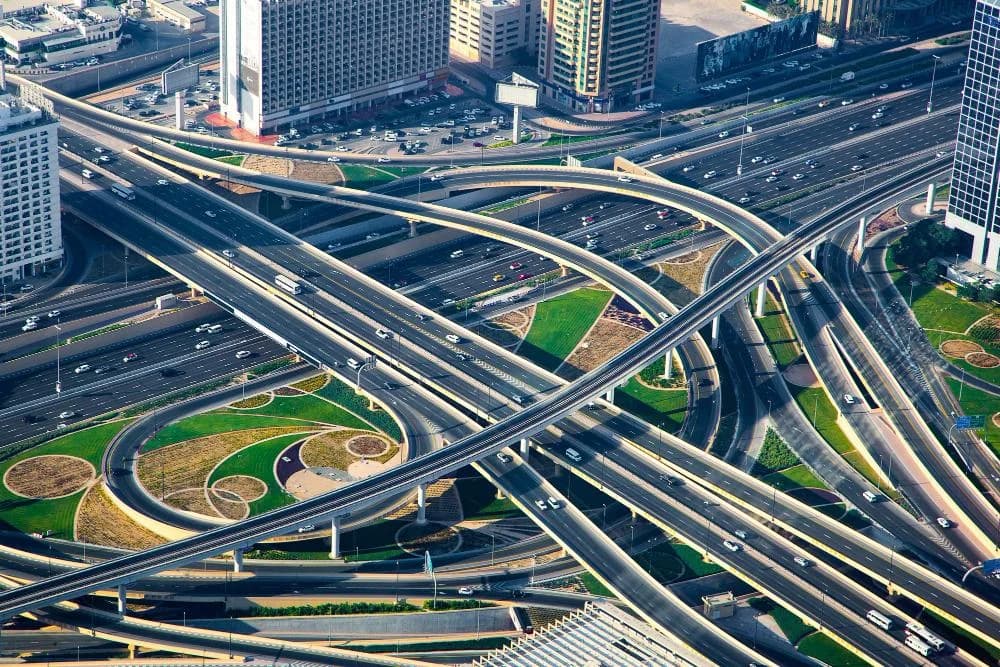
The sustainable urban planning course deals with managing cities, providing green spaces, using land efficiently, and everything related to urban planning in the Kingdom of Saudi Arabia. Modern projects and city development are increasing in the Kingdom, which creates many job opportunities for all groups, including engineers, workers, planners, and real estate development companies. Urban planning and development training courses offer a good foundation to build on, and they also produce distinguished professionals who are able to join the job market and contribute to developing cities and improving the quality of services.
In this article, we will talk about what sustainable urban planning means and what the trainee learns in the sustainable urban planning course.
What Is Meant by Sustainable Urban Planning?
It is the use of a scientific approach to designing and developing cities in a way that ensures a balance between population growth and preserving the environment and natural resources.
It also takes into account meeting people's needs in the future, in light of population growth and increasing needs, and the infrastructure is designed to ensure it can accommodate population expansion. Sustainable urban planning also ensures:
- Optimal use of land.
- Reduced pollution.
- Improved energy and water efficiency.
- Providing all services, including health and education.
The Higher Saudi Skills Institute offers the best course in urban planning and sustainable urban development, with an accredited certificate and a specialized training program that helps you develop your skills and keep up with the requirements of modern urban planning.
What Is the Difference Between Traditional and Sustainable Urban Planning?
The sustainable urban planning course clearly explains the difference between traditional planning and sustainable planning, and the specialist needs to know the difference well in order to reach the best planning.
Traditional urban planning focuses on providing roads and services, and organizing land use and its suitability for population increase, while sustainable urban planning is broader and more comprehensive.
Sustainable planning also cares about protecting the environment and quality of life; for example, we find that traditional planning cares only about coping with growth, while sustainable planning cares about traffic flow, energy consumption, and green spaces.
How Does Sustainable Urban Planning Contribute to Improving Quality of Life?
One of the most important features of sustainable urban planning is that it does not care only about expansion and accommodating population increase, but extends to include the quality of services and providing a safe and healthy environment for residents.
Sustainable planning cares about reducing the time spent on commuting by having schools, shops, and hospitals close by, which makes residents able to meet their daily needs easily.
Having services close to residents also helps reduce dependence on cars, and therefore reduces noise and pollution and allows daily activities to be carried out easily, which contributes to improving quality of life.
What Is the Role of Sustainable Transport in City Planning?
The sustainable urban planning course from the Higher Saudi Skills Institute is keen to show the importance of sustainable transport in city planning and in building a more efficient urban system.
Sustainable transport helps reduce traffic congestion and lower pollution and emission rates, as well as reduce fuel consumption and encourage the use of bicycles because distances are short.
Neighborhoods are connected to each other and safe paths are prepared for the different means of getting around, in addition to pedestrians, and this development is reflected in residents' comfort and in increased investment opportunities.
How Do Green Spaces Help Build More Sustainable Cities?
The spread of green spaces has a very positive role in achieving sustainability by reducing the effect of heat, improving quality of life, and providing more comfortable places.
Trees absorb pollutants in the air and promote mental health, and having suitable paths encourages people to walk and exercise.
Green spaces are distributed after studying population density well and making sure that water is available, and green spaces play an important role in achieving sustainability.
What Is the Relationship Between Sustainable Urban Planning and Saudi Vision 2030?
The sustainable urban planning course offered by the Higher Saudi Skills Institute explains the importance of sustainable planning and its relationship with Saudi Vision 2030.
Saudi Vision 2030 aims to have more attractive cities that contain all health, educational, and even entertainment services, and it also cares about improving means of transport and lifestyle.
The state is also keen to introduce digital solutions in managing facilities and resources and to develop smart cities, all of which is in line with modern trends in urban development and Vision 2030.
How Does Sustainable Planning Take Residents' Needs and the Environment Into Account?
Sustainable planning takes residents' needs and the environment into account by studying the available resources, their relationship with urban planning, and the consequences of that planning.
Sustainable urban planning cares about studying population density and the presence of educational and health services, as well as ease of movement and the availability of natural resources.
Experts are keen, during sustainable urban planning, to avoid random expansion and the depletion of natural resources, in a way that achieves environmental and social balance.
What Are the Most Prominent Challenges of Urban Planning in Modern Cities?
The sustainable urban planning course offered by the Higher Saudi Skills Institute covers the most important challenges facing urban planning in modern cities and how to deal with them properly. The most prominent of these challenges are:
- Rapid growth in the number of residents, and therefore increased demand for services and water and energy networks.
- A lack of green spaces and climate changes such as floods and rising temperatures.
- Coordination between the different entities and project funding.
- Having integrated solutions to the existing problems rather than individual solutions.
What Skills Are Required to Work in Urban Planning?
Working in urban planning requires a number of skills that help in finding solutions and developing the right visions. The most prominent of these skills are:
- The ability to assess the needs of infrastructure, services, and land uses.
- Analyzing geographic and demographic data and linking them well.
- Communicating effectively with work teams and the relevant authorities while working on solving problems and managing projects.
- Understanding the concepts of sustainability and smart cities and linking available resources with urban growth.
- Keeping up with modern studies in the field of sustainable urban planning.
The sustainable urban planning course at the Higher Saudi Skills Institute is one of the best accredited urban planning courses that can help you gain and develop these skills, through specialized training content that qualifies you to deal with the requirements of the field more efficiently.
What Are the Urban Planning Jobs in Saudi Arabia?
After completing the sustainable urban planning course from the Higher Saudi Skills Institute, the graduate becomes qualified to fill many urban planning jobs. These include:
- Working in government entities, municipalities, and consulting and engineering offices, as well as real estate development companies, as an urban planner.
- Working as a city development specialist and spatial planning analyst.
- Being hired as an urban development consultant.
- Working as a specialist in smart city projects.
The job title varies according to experience, academic qualification, and technical skills, and the salary increases as experience and job qualifications increase.
What Is the Difference Between an Urban Planner and an Urban Planning Engineer?
The tasks of the urban planner and the urban planning engineer differ according to academic qualification and the nature of the workplace, although both have a role in urban organization.
The tasks of the urban planner include distributing residential and commercial activities, studying land uses, and developing visions for urban growth, in addition to identifying facilities and services.
As for the work tasks of the urban planning engineer, they are related to the technical and engineering aspects of facilities and road networks, and to preparing master plans, in addition to coordinating engineering solutions.
What Tools Do City Planning Specialists Use?
City planning specialists need some technical tools and programs that help them complete their work, and the sustainable urban planning course is keen to explain these tools and programs, the most prominent of which are:
- Engineering design programs such as AutoCAD, SolidWorks, and other 2D and 3D drawing programs.
- Geographic information systems (GIS) programs, which analyze data and link it to maps.
- Satellite imaging tools, sustainability indicator analysis, and city management platforms.
What Does the Trainee Learn in the Sustainable Urban Planning Course?
Urban planning courses at the Higher Saudi Skills Institute offer a comprehensive curriculum that fully qualifies graduates for the job market, and the following are the most prominent things learned during the course:
- Planning and developing cities in a way that takes into account the needs of residents and the environment.
- Understanding the principles of sustainable urban planning and organizing land use.
- Managing urban resources and improving the efficiency of services and infrastructure.
- Developing planning solutions for modern cities and for the problems that urban planning will face.
Who Is the Sustainable Urban Planning and Development Course For?
Anyone interested in the field of cities and urban development can join urban planning and development training courses, and the applicant is not required to be a graduate of engineering or architecture specializations.
Those working in the sectors of municipalities, engineering consulting, and real estate development can also join the course in order to increase their knowledge and develop their skills.
Many groups who want to understand smart city development and understand sustainable urban planning can join the course offered by the Higher Saudi Skills Institute.
How Does the Sustainable Urban Planning Course Help You Prepare to Work in the Field?
During the course, the trainee learns all the modern concepts and basics of sustainable urban planning, as the course starts by explaining the basics and goes on to professional level.
After passing the course, the trainee has broad scientific knowledge that enables them to understand different urban projects and deal with the challenges in them.
During the course, the trainee gets to know the best specialists in the field, which helps them develop their professional vision and build a good knowledge base for the job market.
In conclusion, sustainable urban planning is one of the important fields in developing cities and improving quality of life, as it combines well-thought-out planning, resource management, and taking environmental, social, and economic needs into account.
Success in this field requires having specialized knowledge and skills that help in understanding urban challenges and dealing with them using modern methods.
If you want to develop your experience and gain the skills needed to work in this field, the sustainable urban planning course at the Higher Saudi Skills Institute is a suitable opportunity to start.
Contact the Institute to learn the details of the course and its schedule, and complete the registration steps to join one of the best accredited training programs in Saudi Arabia.
FAQs
What is the importance of sustainable urban planning for Saudi cities?
It helps improve quality of life, reduce pollution, raise resource efficiency, and develop balanced cities that meet residents' needs and support future development.
Does sustainable urban planning provide job opportunities in Saudi Arabia?
Yes, it offers opportunities in municipalities, real estate development companies, consulting offices, infrastructure projects, and smart city development.
What does the sustainable urban planning course offer trainees?
Urban planning and development training courses offer knowledge of urban planning, smart cities, and managing urban resources to achieve a balanced living environment.
Is sustainable urban planning suitable for engineers?
Yes, it benefits engineers, architects, and real estate development specialists in understanding urban sustainability, improving their skills, and keeping up with modern urban development trends